



- 5 Views
- 17 Min Read
- (0) Comment
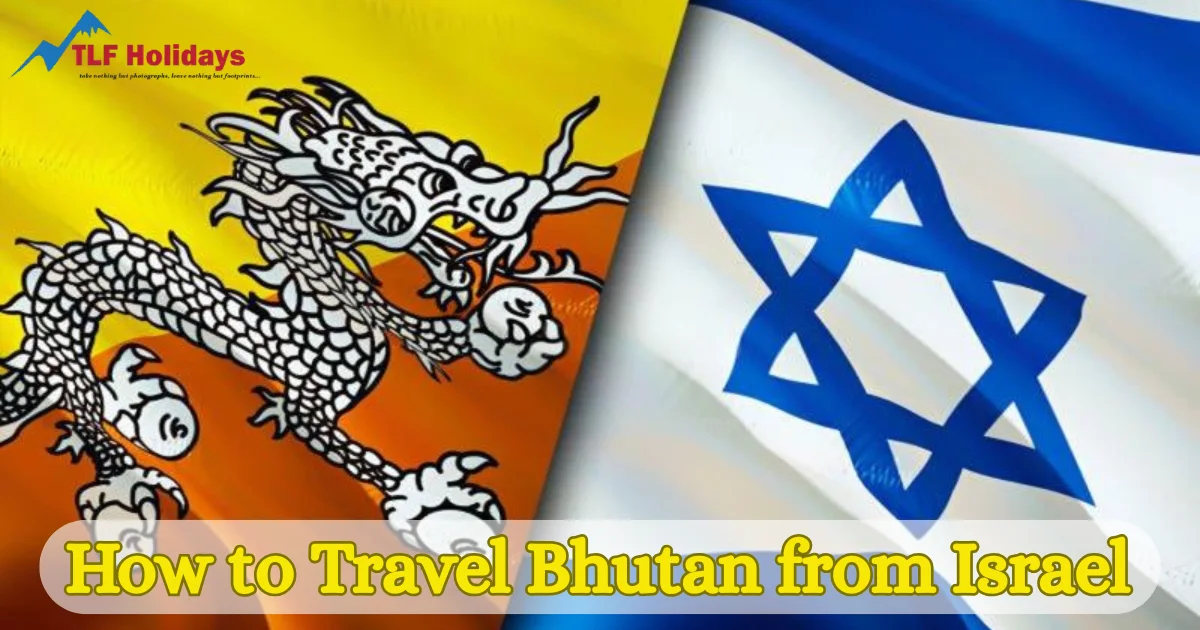
Nestled in the lap of the Eastern Himalayas, Bhutan is one of the most unique and enchanting travel destinations on the planet. Often called the “Last Shangri-La”, this tiny Buddhist kingdom is celebrated for its pristine landscapes, ancient monasteries, vibrant festivals, and a philosophy of governance centered on Gross National Happiness (GNH) rather than Gross Domestic Product. For Israeli travelers wondering How to Travel Bhutan from Israel, this destination offers an extraordinary escape—a world away from the hustle and bustle, where spirituality, culture, and nature merge in breathtaking harmony.
If you’ve ever dreamed of trekking through cloud-kissed mountain trails or visiting Tiger’s Nest Monastery, then learning How to Travel Bhutan from Israel becomes the first step toward that dream. Whether you are a solo adventurer or a family traveler, planning to Travel Bhutan from Israel is entirely achievable with the right guidance. This comprehensive guide by TLF Holidays Bhutan will walk you through everything you need to know from visa requirements and flight options to the best time to visit, itinerary ideas, costs, cultural etiquette, and much more. Let’s dive in!
Quick Facts: Bhutan at a Glance
| Detail | Information |
| Official Name | Kingdom of Bhutan |
| Capital | Thimphu |
| Currency | Bhutanese Ngultrum (BTN) / Indian Rupee (INR) |
| Official Language | Dzongkha |
| Religion | Vajrayana Buddhism |
| Time Zone | UTC +6 (BST – Bhutan Standard Time) |
| Climate | Subtropical to Alpine (varies by region) |
| Best Time to Visit | March–May and September–November |
| Minimum Daily Fee (2024) | USD 100/day (Sustainable Development Fee) |
| Country Dialing Code | +975 |
Why Should Israelis Travel to Bhutan?
Israel and Bhutan may be worlds apart geographically, but there is a surprising cultural affinity both nations place enormous value on identity, tradition, and community. For those researching How to Travel Bhutan from Israel, Bhutan offers unmatched peace and cultural richness. Many travelers who Travel Bhutan from Israel describe it as a life-changing experience..
Here are some compelling reasons why Bhutan should be on every Israeli traveler’s bucket list:
- Untouched Nature: Over 70% of Bhutan is covered in forest an ecological paradise for hikers and nature lovers.
- Cultural Immersion: Ancient dzongs (fortresses), monasteries, and colorful festivals offer a living window into Himalayan Buddhist culture.
- Safety & Stability: Bhutan is one of the safest countries in Asia with virtually no crime, making it ideal for solo travelers.
- Exclusive Tourism Policy: Bhutan’s “High Value, Low Volume” tourism model ensures the destination never feels overcrowded.
- Digital Detox: Many parts of Bhutan have limited connectivity perfect for those seeking a genuine digital detox.
- Happiness Philosophy: There is something profoundly moving about a nation that measures progress by its citizens’ happiness.
Can Israeli Citizens Visit Bhutan? Visa Information
Yes! Israeli passport holders can visit Bhutan, but unlike many countries, Bhutan does not issue visas on arrival for most nationalities, including Israelis. All tourists (except citizens of India, Bangladesh, and Maldives) must obtain a Bhutan Tourist Visa in advance through a licensed Bhutanese tour operator.
How to Get a Bhutan Visa from Israel
The Bhutan visa process is straightforward but must be followed correctly:
- Book a Tour: Contact a licensed Bhutanese tour operator like TLF Holidays Bhutan and book a complete tour package.
- Submit Documents: Provide a clear copy of your passport (valid for at least 6 months), a passport-sized photo, and complete the visa application form.
- Pay the Visa Fee: The visa fee is USD 40 per person, paid in advance to the Tourism Council of Bhutan (TCB).
- Receive Visa Clearance: Once approved (usually 5–7 business days), you receive a visa clearance letter to present at the point of entry.
- Get the Actual Visa: The physical visa stamp is affixed in your passport upon arrival at Paro International Airport.
Important: Bhutan visa applications must be processed through a licensed tour operator you cannot apply directly as an individual tourist. This is part of Bhutan’s responsible tourism policy.
How to Get to Bhutan from Israel: Flight Options
Understanding flight routes is key when planning How to Travel Bhutan from Israel. Since there are no direct flights, travelers who Travel Bhutan from Israel usually transit via Delhi, Bangkok, or Kathmandu to reach Paro International Airport (PBH) the only international airport in Bhutan, and one of the world’s most dramatic airports to land at.
Best Transit Routes from Israel to Bhutan
Here are the most popular and convenient transit options for Israeli travelers:
| Route | Transit Hub | Airlines | Approx. Total Travel Time |
| Tel Aviv → Delhi → Paro | New Delhi (DEL) | Air India / DrukAir | ~10–12 hours |
| Tel Aviv → Bangkok → Paro | Bangkok (BKK) | Thai Airways / Bhutan Airlines | ~14–16 hours |
| Tel Aviv → Kathmandu → Paro | Kathmandu (KTM) | Nepal Airlines / DrukAir | ~12–14 hours |
| Tel Aviv → Singapore → Paro | Singapore (SIN) | Singapore Airlines / DrukAir | ~16–18 hours |
| Tel Aviv → Mumbai → Paro | Mumbai (BOM) | IndiGo / DrukAir | ~11–13 hours |
Tip: The most popular and budget-friendly route is via New Delhi. DrukAir (Royal Bhutan Airlines) and Bhutan Airlines are the only carriers that fly into Paro. Consider booking a connection through Delhi or Bangkok for the widest choices. If you are exploring options from Southeast Asia, you might also consider combining your trip with Bhutan Tour Packages From Malaysia, which often offer great value for travelers in the region.
The Sustainable Development Fee (SDF): What Israelis Need to Know
Bhutan’s approach to tourism is unlike any other country in the world. Since September 2022, the Government of Bhutan has restructured its tourism fees. International tourists (excluding Indian, Bangladeshi, and Maldivian nationals) are required to pay a Sustainable Development Fee (SDF) of USD 100 per person per night. This fee replaced the earlier flat daily rate and is charged on top of your tour package costs.
What Does the SDF Cover?
- Contribution to Bhutan’s environmental conservation and forest protection programs
- Infrastructure development in rural and remote areas
- Free healthcare and education for all Bhutanese citizens
- Cultural preservation initiatives
- Waste management and sustainability projects
This is why Bhutan is considered a premium travel destination. Many travelers ask “Is Bhutan Expensive?” the honest answer is yes, compared to neighboring countries, but the experience is absolutely worth every penny. The SDF ensures that your visit has a positive impact and that Bhutan’s unique environment and culture remain protected for future generations.
Estimated Cost Breakdown for an Israeli Traveler (7-Night Trip)
| Expense Category | Estimated Cost (USD) | Notes |
| Bhutan Visa Fee | $40 per person | One-time, paid in advance |
| Sustainable Development Fee | $700 per person (7 nights) | USD 100/night |
| Mid-Range Tour Package (7 nights) | $1,400–$1,800 per person | Includes hotel, guide, transport, meals |
| Flights (Tel Aviv → Paro, return) | $700–$1,200 per person | Varies by route & season |
| Personal Expenses & Souvenirs | $150–$300 per person | Handicrafts, tips, extras |
| Travel Insurance | $50–$100 per person | Strongly recommended |
| TOTAL ESTIMATE | $3,040–$4,140 per person | For a comfortable 7-night trip |
Best Time to Travel Bhutan from Israel
Timing plays a crucial role in How to Travel Bhutan from Israel successfully. Most travelers who Travel Bhutan from Israel prefer spring and autumn for the best weather and festivals.
Spring (March to May) Best Season
Spring is arguably the best time to visit Bhutan. The skies are clear, the rhododendrons burst into magnificent colors across the hillsides, and the weather is mild and pleasant. This is also when many of Bhutan’s most celebrated spring festivals (Tsechus) are held. The famous Paro Tshechu takes place during this season, drawing thousands of visitors to witness sacred masked dances and the unfurling of the giant Thongdrel (religious tapestry).
Autumn (September to November) Best Season
Autumn is the second peak season and equally spectacular. Post-monsoon clarity means breathtaking views of the Himalayan peaks, including stunning vistas of Chomolhari and Jichu Drake. The famous Thimphu Tshechu and Punakha Tshechu festivals are celebrated during this period, offering rich cultural experiences. Trekking conditions are also excellent.
Summer/Monsoon (June to August)
While Bhutan transforms into a lush, green paradise during the monsoon season, heavy rainfall can make roads slippery and some mountain trails inaccessible. However, this is the low season meaning fewer tourists and lower prices, making it an option for budget-conscious travelers who don’t mind occasional rain.
Winter (December to February)
Winter is cold — especially in the northern and central regions where temperatures can drop below freezing. However, the Punakha Valley remains relatively warm and blooms with stunning jacaranda trees. The Punakha Drubchen festival, held in February or March, is a spectacular event showcasing ancient warrior traditions. This is also the best time to spot the rare black-necked cranes in the Phobjikha Valley.
Essential Bhutan Travel Documents for Israelis
Before embarking on your Bhutan journey from Israel, ensure you have the following documents ready:
- Valid Israeli Passport: Must be valid for at least 6 months beyond your intended travel dates.
- Bhutan Tourist Visa Clearance Letter: Issued by your Bhutanese tour operator and the Tourism Council of Bhutan.
- Confirmed Tour Itinerary: A detailed tour plan approved by your licensed operator.
- Flight Tickets: Both international segments and regional segments if applicable.
- Travel Insurance: Comprehensive insurance covering medical emergencies, including evacuation.
- Proof of Payment: Receipts for the SDF and tour package payments.
- Hotel Confirmation: Although your operator handles this, carrying copies is advisable.
Note: Bhutan is one of the few countries that does not have diplomatic representation in Israel, so all visa processing must be handled entirely through your tour operator. TLF Holidays Bhutan handles this process seamlessly for their clients.
Top Places to Visit in Bhutan
Bhutan is a relatively small country but incredibly rich in destinations. Here are the must-visit places that every Israeli traveler should include in their Bhutan itinerary:
1. Paro — Gateway to Bhutan
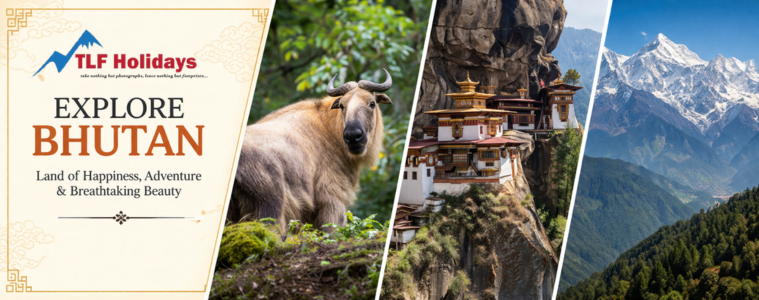
Home to the only international airport in Bhutan, Paro is a picturesque valley town surrounded by apple orchards and ancient ruins. The Paro Taktsang (Tiger’s Nest Monastery) perched on a 900-meter cliff face is the single most iconic landmark in Bhutan. The hike takes approximately 4–5 hours round trip and is a deeply spiritual and physically rewarding experience. Paro is also home to the National Museum of Bhutan and the magnificent Rinpung Dzong.
2. Thimphu — The Unique Capital
Thimphu is the world’s only national capital without traffic lights and that tells you a great deal about the place. The Tashichho Dzong, the massive whitewashed fortress housing the throne room and government offices, is a sight to behold. The Buddha Dordenma statue — one of the largest Buddha statues in the world offers panoramic views of the Thimphu Valley. The Folk Heritage Museum and the vibrant Centenary Farmers’ Market are also worth exploring.
3. Punakha — Valley of Ancient Kings
Punakha, the ancient capital of Bhutan, is home to the magnificent Punakha Dzong often described as one of the most beautiful buildings in all of Asia. Situated at the confluence of the Pho Chhu (Father River) and Mo Chhu (Mother River), the dzong glows golden in the afternoon light. The suspension bridge near the dzong and the lush rice paddies of the valley are equally enchanting.
4. Phobjikha Valley — The Valley of Black-Necked Cranes
This vast glacial valley is the winter home of the endangered black-necked cranes, which migrate here from Tibet every October. The valley is a biodiversity hotspot and a serene escape from the more visited areas. The Gangtey Monastery on the hilltop overlooking the valley is one of Bhutan’s most important Nyingma monasteries.
5. Bumthang — The Cultural Heartland
Often called the “Switzerland of Bhutan”, Bumthang comprises four valleys and is the spiritual heartland of the country. It is home to the Jambay Lhakhang, one of the oldest temples in Bhutan (7th century), and the beloved Swiss Farm — known for its famous Bhutanese cheese. The Red Panda Brewery in Bumthang is also a surprising highlight for travelers.
6. Haa Valley — The Undiscovered Gem
Opened to tourists only in 2002, the Haa Valley remains one of Bhutan’s most pristine and least-visited destinations. With traditional farmhouses, sacred temples, and stunning alpine meadows, Haa is perfect for travelers seeking off-the-beaten-path experiences. The Haa Summer Festival showcases nomadic herding culture and traditional games.
Sample 7-Night Bhutan Itinerary for Israeli Travelers
Here’s a suggested week-long itinerary crafted by TLF Holidays Bhutan to give Israeli travelers the best of the Kingdom:
| Day | Destination | Activities & Highlights |
| Day 1 | Arrive Paro | Arrival at Paro Airport, transfer to hotel, acclimatization walk, visit Paro Rinpung Dzong, welcome dinner |
| Day 2 | Paro | Full-day hike to Tiger’s Nest Monastery (Taktsang), evening at leisure, explore local market |
| Day 3 | Paro → Thimphu | Drive to Thimphu, visit Buddha Dordenma, Tashichho Dzong, National Memorial Chorten, Folk Heritage Museum |
| Day 4 | Thimphu → Punakha | Dochula Pass (108 chortens, Himalayan views), Chimi Lhakhang (Temple of Fertility), Punakha Dzong |
| Day 5 | Punakha → Phobjikha | Drive to Phobjikha Valley, Gangtey Monastery, Black-Necked Crane Conservation Center, evening village walk |
| Day 6 | Phobjikha → Bumthang | Scenic drive to Bumthang, Jambay Lhakhang temple, Swiss Farm visit, Jakar Dzong |
| Day 7 | Bumthang → Paro | Return drive, Wangdue Phodrang, shopping for handicrafts in Paro Bazaar, farewell dinner |
| Day 8 | Departure from Paro | Airport transfer, departure — carry memories of a lifetime! |
Customized itineraries are available through TLF Holidays Bhutan including extensions to Haa Valley, trekking packages, cultural immersion programs, and festival-specific tours. If you are traveling from Southeast Asia, you can also seamlessly combine this with a Bhutan Tour From Singapore for a broader regional experience.
Accommodation Options in Bhutan
Bhutan offers a wide range of accommodations, from luxury resorts to budget-friendly guesthouses. Since Bhutan does not have a standardized star-rating system, accommodations are generally categorized as follows:
Luxury Lodges & Boutique Hotels
Brands like Aman Resorts (Amankora), Six Senses Bhutan, and COMO Uma Paro offer unparalleled luxury in stunning settings. These resorts combine traditional Bhutanese architecture with world-class amenities and cost between USD 800–1,500 per night.
Mid-Range Hotels
Comfortable and well-appointed mid-range hotels are available in all major tourist towns. These typically cost between USD 80–200 per night and offer a great balance of comfort and cultural authenticity.
Budget Guesthouses & Farmstays
For travelers on tighter budgets, cozy guesthouses and traditional farmstays offer an immersive local experience. Farmstays are particularly recommended for experiencing authentic Bhutanese village life.
Bhutanese Food & Dining Guide for Israeli Travelers
Food in Bhutan is an adventure in itself! The national dish is Ema Datshi a hearty stew of fiery chili peppers cooked in a rich cheese sauce. Bhutanese cuisine is bold, spicy, and deeply satisfying. Here are some must-try dishes:
- Ema Datshi – Chili and cheese stew (national dish)
- Phaksha Paa – Pork cooked with red chilies and radish
- Jasha Maru – Spicy minced chicken curry
- Kewa Datshi – Potato and cheese curry
- Suja – Traditional butter tea (an acquired taste but culturally essential)
- Ara – Local rice or wheat-based spirit
- Hoentay – Buckwheat dumplings stuffed with turnip leaves
Note for Israeli travelers: Bhutan is not widely vegetarian-friendly by default, but most restaurants can accommodate vegetarian and kosher-style requests with advance notice. It is advisable to inform your tour operator about any dietary restrictions when booking with TLF Holidays Bhutan.
Cultural Etiquette & Dos and Don’ts in Bhutan
Bhutan is a deeply spiritual and culturally conservative nation. As a visitor, it is important to respect local customs and traditions:
Dos:
- Dress modestly when visiting dzongs, temples, and monasteries (no sleeveless tops or shorts).
- Remove shoes and hats before entering religious sites.
- Walk clockwise around chortens (stupas), prayer wheels, and religious monuments.
- Ask for permission before photographing people, especially monks.
- Carry your visa clearance letter and passport at all times.
- Use your right hand or both hands when giving or receiving items.
Don’ts:
- Do not touch or point at religious objects or statues with your feet.
- Do not smoke in public places Bhutan has very strict anti-tobacco laws.
- Do not buy or sell wildlife products (Bhutan has zero tolerance for wildlife trafficking).
- Do not litter Bhutan takes environmental protection extremely seriously.
- Do not enter restricted areas without proper permits.
- Do not raise your voice or display anger in public composure is valued greatly.
Internet & Connectivity in Bhutan
While Bhutan has made significant advances in digital infrastructure in recent years, connectivity in remote areas can still be limited. 4G networks are available in major towns like Paro, Thimphu, and Punakha. Israeli SIM cards will not work in Bhutan you should either purchase a local Bhutanese SIM upon arrival (available at Paro Airport) or rely on hotel WiFi for most communications.
Pro Tip: Download offline maps (Google Maps or Maps.me) and any essential information before entering Bhutan’s more remote regions.
Health & Safety for Israeli Travelers in Bhutan
Altitude
Many popular tourist destinations in Bhutan including Thimphu (2,320m), Paro (2,200m), and many trekking routes are at significant altitude. Israeli travelers coming from sea-level cities should allow 1–2 days for acclimatization upon arrival. Symptoms of Acute Mountain Sickness (AMS) include headache, nausea, and dizziness. Consult your doctor about acetazolamide (Diamox) as a preventive measure.
Vaccinations
While no mandatory vaccinations are required to enter Bhutan, the following are recommended: Hepatitis A and B, Typhoid, Tetanus, Diphtheria, and routine vaccines. Consult your Israeli travel health clinic at least 4–6 weeks before departure.
Medical Facilities
Bhutan has a government-run universal healthcare system that is free for all citizens. However, for serious medical emergencies, patients may need to be evacuated to Bangkok or Kolkata. This makes comprehensive travel insurance (including medical evacuation coverage) absolutely essential.
Currency & Money Tips for Bhutan
The official currency is the Bhutanese Ngultrum (BTN), which is pegged at par with the Indian Rupee (INR). Both currencies are accepted throughout Bhutan. Here are some practical money tips for Israeli travelers:
- Exchange Money: US Dollars, Euros, and British Pounds can be exchanged at banks and authorized money changers in Paro and Thimphu.
- ATMs: Available in major towns but not in remote areas carry sufficient cash.
- Credit Cards: Accepted in luxury hotels and some restaurants in Paro and Thimphu, but not widely elsewhere.
- Tipping: Tipping guides and drivers is customary (USD 10–15/day for guides, USD 5–8/day for drivers).
- Pre-payment: Most tour costs, including the SDF, are paid in advance through your operator.
Shopping in Bhutan
Bhutan is a paradise for lovers of handicrafts, textiles, and Buddhist art. Some of the best souvenirs to bring home to Israel include:
- Kira & Gho: Traditional Bhutanese woven textiles
- Thangka paintings: Intricate Buddhist scroll paintings
- Wooden bowls & lacquerware: Beautifully crafted traditional kitchenware
- Handmade paper (Deh-sho): Made from the Daphne plant
- Prayer flags & incense: Perfect spiritual souvenirs
- Yak cheese & organic honey: Unique Bhutanese food products
- Stamps: Bhutan produces some of the world’s most unusual postage stamps
The best shopping areas are the Paro Bazaar, the Thimphu Centenary Market, and the government-run National Handicrafts Emporium in Thimphu. Remember that authentic Bhutanese handicrafts carry an authenticity certificate always ask for one.
Why Choose TLF Holidays Bhutan?
TLF Holidays Bhutan is a licensed and government-registered Bhutanese tour operator with years of experience crafting unforgettable journeys for international travelers, including those from Israel. Here’s what sets TLF Holidays Bhutan apart:
- Licensed by the Tourism Council of Bhutan (TCB): Full compliance with Bhutan’s tourism regulations.
- Personalized Itineraries: Tailor-made packages to suit your interests, budget, and travel dates.
- Experienced Guides: Certified, multilingual guides with deep knowledge of Bhutanese history and culture.
- Seamless Visa Processing: Complete handling of visa clearance, SDF payment, and documentation.
- 24/7 In-Country Support: Dedicated assistance throughout your journey.
- Competitive Pricing: Best-value packages without compromising on quality.
- Eco-Conscious Operations: Commitment to sustainable and responsible tourism practices.
Whether you’re looking for a classic cultural tour, a challenging Himalayan trek, or a romantic wellness retreat, TLF Holidays Bhutan has the expertise and passion to make your Bhutan dream a reality.
Conclusion
In conclusion, understanding How to Travel Bhutan from Israel is the key to unlocking one of the world’s most extraordinary destinations. Every traveler who decides to Travel Bhutan from Israel returns with unforgettable memories and a deeper sense of peace. Bhutan’s unique combination of spectacular Himalayan scenery, living Buddhist culture, absolute safety, and a government philosophy rooted in happiness makes it unlike anywhere else on Earth. Yes, it requires planning and investment but the return on that investment is immeasurable. As the Bhutanese say: “Happiness is a Place.” And that place is Bhutan. Ready to begin your journey? Contact TLF Holidays Bhutan today and let their expert team craft the perfect Bhutan adventure tailored just for you. Your Shangri-La awaits.
FAQs
Q1. Do Israeli citizens need a visa to travel to Bhutan?
Ans. Yes, Israeli citizens must obtain a pre-arranged Bhutan visa through a licensed tour operator.
Q2. Is there a direct flight from Israel to Bhutan?
Ans. No, there are no direct flights; travelers usually connect via India, Thailand, or Nepal.
Q3. How much does it cost to travel Bhutan from Israel?
Ans. A Bhutan trip typically costs $200–$300 per day including tour package, visa, and fees.
Q4. What is the best time for Israeli travelers to visit Bhutan?
Ans. Spring (March–May) and autumn (September–November) are the best times to visit Bhutan.
Q5. Is Bhutan safe for Israeli travelers?
Ans. Yes, Bhutan is one of the safest countries with low crime rates and welcoming locals.
Q6. Can I extend my Bhutan visa?
Ans. Yes, visa extensions are possible through your tour operator with approval from authorities.
Q7. Is Bhutan accessible for travelers with disabilities?
Ans. Accessibility is limited, but some hotels and tour services can accommodate special needs.
Q8. How is Bhutan different from other Himalayan destinations like Nepal?
Ans. Bhutan focuses on sustainable tourism, cultural preservation, and controlled visitor numbers.


Leave a comment: