



- 10 Views
- 9 Min Read
- (0) Comment
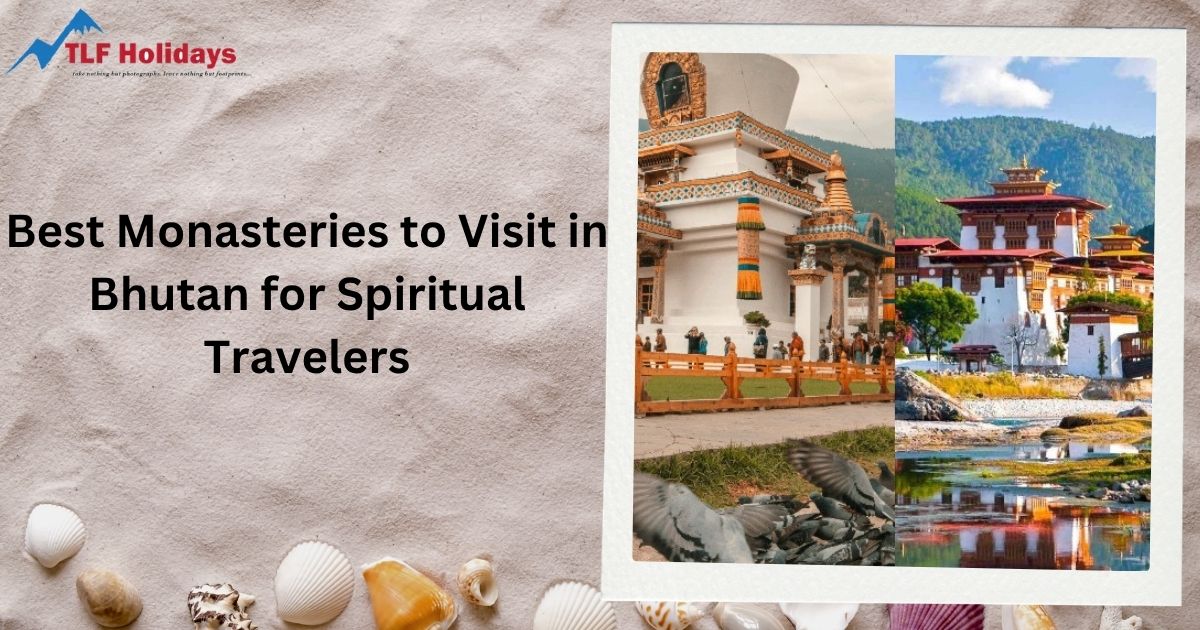
Bhutan is one of the world’s few countries where spirituality is part of everyday life, from the fluttering prayer flags on mountain passes to the ancient monasteries perched on dramatic cliffs. For travelers seeking inner peace, reflection, and a deeper connection with Buddhist wisdom, visiting Bhutan’s monasteries is not just sightseeing – it is a transformative journey.
TLF Bhutan (TLF Holidays) is a licensed, Bhutan‑based destination management company that designs spiritual and cultural journeys across the Land of the Thunder Dragon, helping travelers experience these sacred spaces with knowledgeable local guides and responsible travel practices.
Why Bhutan Is a Spiritual Sanctuary
Bhutan is the world’s only nation where Mahayana Buddhism (Drukpa Kagyu lineage) is the state religion, and it influences governance, daily life, festivals, art, and architecture. With more than 70% forest cover and strong conservation laws, the country protects both its environment and its spiritual heritage, creating a peaceful, contemplative atmosphere ideal for spiritual travelers.
Core reasons spiritual travelers are drawn to Bhutan:
- Deep Buddhist roots since the arrival of Guru Padmasambhava in the 8th century.
- Living monasteries and fortress‑monasteries (dzongs) that still function as spiritual and administrative centers.
- A national philosophy of Gross National Happiness that prioritizes wellbeing and harmony over material growth.
Spiritual Journeys with TLF Bhutan
TLF Bhutan’s Spiritual & Pilgrimage Tours as one of its signature experiences. These journeys focus on:
- Visits to sacred monasteries, temples, and dzongs.
- Time for quiet reflection, meditation, and guided spiritual walks.
- Deeper storytelling from certified local guides about Bhutanese beliefs, rituals, and symbols.
As a family‑run, licensed, and ABTO‑member travel company based in Thimphu, TLF Bhutan combines professional trip planning with local insight and responsible tourism, making it a strong choice for travelers looking for the best travel agency in bhutan for spiritual and cultural experiences.
Monasteries Spiritual Travelers Should Not Miss
| Monastery / Dzong (Region) | Type / Role | Ideal For Spiritual Travelers | Commonly Covered In TLF Bhutan Tours* |
| Paro Taktsang (Paro) | Cliffside monastery | Pilgrimage hike, meditation, connection to Guru Rinpoche | Frequently visited in cultural & private tours |
| Kyichu Lhakhang (Paro) | Ancient temple | Quiet prayer, traditional rituals, blessings | Often included with Paro sightseeing |
| Rinpung Dzong (Paro) | Fortress‑monastery | Monastic life, festivals, architecture | Featured in cultural itineraries |
| Tashichho Dzong (Thimphu) | Administrative dzong | Evening prayers, national spiritual life | Commonly visited during Thimphu stays |
| Punakha Dzong (Punakha) | Former capital dzong | River‑side serenity, spiritual history, rituals | Key highlight in cultural tours |
*Based on the structure of TLF Bhutan’s Bhutan Cultural Tour, Luxury Triangle, and Private Tour itineraries, which cover Paro, Thimphu, and Punakha as core destinations.
Paro: Gateway to Sacred Monasteries
Paro Valley is often the first stop for international travelers, as Bhutan’s only international airport is located here. Beyond its scenic fields and traditional houses, Paro is home to some of Bhutan’s most revered spiritual sites.
Paro Taktsang (Tiger’s Nest Monastery)
Paro Taktsang, commonly called Tiger’s Nest, is one of the most iconic monasteries in the Himalayas, perched dramatically on a cliff face high above the valley. For spiritual travelers, the hike to Tiger’s Nest is as meaningful as the destination itself:
- The trail passes through pine forests, prayer flags, and viewpoints that encourage reflection.
- Inside, shrines dedicated to Guru Padmasambhava (Guru Rinpoche) recall the legends that shaped Bhutan’s Buddhist identity.
Many of TLF Bhutan’s cultural and private tours, including the 7‑day private tour packages, are structured around exploring Paro’s spiritual landmarks at a comfortable pace, with time for acclimatization and gentle sightseeing soon after arrival. For those looking for the best travel agency in bhutan to organize a mindful Tiger’s Nest visit, this combination of careful planning and local guidance is especially valuable.
Kyichu Lhakhang: One of Bhutan’s Oldest Temples
Kyichu Lhakhang is among Bhutan’s oldest and most sacred temples, linked to legends about subduing harmful forces across the Himalayas. It offers:
- A quieter, more intimate spiritual environment compared to larger dzongs.
- Opportunities to observe local devotees making offerings, spinning prayer wheels, and circumambulating the temple.
For spiritual travelers who want to balance famous sites with moments of calm, including Kyichu Lhakhang alongside Paro Taktsang makes an ideal combination in a Paro‑focused day with TLF Bhutan’s guides.
Thimphu: Living Spiritual Capital
Thimphu, the modern capital of Bhutan, blends administrative importance with deep spiritual roots. Even as a growing city, it retains a strong Buddhist character reflected in its monasteries, dzongs, and everyday rituals.
Tashichho Dzong: Fortress of Religion and Government
Tashichho Dzong serves both as the seat of the Bhutanese government and an important monastic complex, symbolizing the country’s dual system of governance. Spiritual travelers visiting this dzong can:
- Witness monks in traditional robes moving between religious halls and courtyards.
- Experience the peaceful atmosphere in the late afternoon and evening, when lights and prayer chants create a serene setting.
TLF Bhutan’s itineraries that include Thimphu typically build in time for key spiritual sites as well as cultural exploration, supported by expert local guides who explain the symbolism of dzong architecture, murals, and rituals.
Punakha: River‑Side Spiritual Serenity
Punakha Valley, once the capital of Bhutan, is known for its warm climate, fertile fields, and one of the country’s most photogenic dzongs. For spiritual travelers, it offers a gentler landscape where rivers, bridges, and temples blend into a deeply calming environment.
Punakha Dzong: Palace of Great Happiness
Built at the confluence of two rivers, Punakha Dzong is renowned for its stunning setting and its role in Bhutan’s spiritual and political history. Spiritual highlights here include:
- The dzong’s inner courtyards and temples, which host important rituals and festivals.
- The surrounding landscape, which encourages slow, reflective walks and photography.
Punakha makes a core stop in several TLF Bhutan itineraries, including private tours and luxury programs, allowing travelers to experience both its historical significance and its peaceful riverside atmosphere.
Spiritual Focus of Key Regions
| Region | Key Spiritual Sites Mentioned on Site* | Spiritual Experience Highlights |
| Paro | Monasteries, temples, Paro town sightseeing | Pilgrimage hikes, acclimatization walks, temple visits |
| Thimphu | Dzongs, monasteries, city spiritual landmarks | Evening visits, monastic life, cultural immersion |
| Punakha | Dzong and surrounding valley | River‑side serenity, historic rituals, festival atmosphere |
How TLF Bhutan Designs Spiritual & Pilgrimage Tours
TLF Bhutan lists Spiritual & Pilgrimage Tours as a key experience type, alongside cultural, festival, trekking, and nature tours. These programs are built around:
- Small groups or private arrangements to maintain a peaceful pace.
- Licensed English‑speaking guides who share stories about deities, saints, and symbols you encounter on walls and statues.
- Responsible behavior at monasteries, including dress codes, photography rules, and respectful conduct, in line with the company’s sustainability guidelines.
Because TLF Bhutan is a local, certified operator with decades of experience and a strong focus on responsible tourism, many travelers seeking spiritual depth and cultural understanding may consider it among the best travel agency in bhutan for monastery‑focused journeys.
Why Spiritual Travelers Choose TLF Bhutan
| TLF Bhutan Strength | Benefit for Spiritual Travelers |
| Licensed, Bhutan‑based DMC since 2003 | Deep local knowledge of sacred sites and customs |
| Focus on responsible, sustainable tourism | Ensures respectful visits that support local communities and monasteries |
| Tailor‑made journeys | Customizable itineraries based on your spiritual interests and pace |
| Expert local guides | Insightful stories about Buddhism, rituals, and symbolism |
| 24/7 support and flexible planning | Peace of mind during a reflective journey |
Practical Tips for Visiting Monasteries in Bhutan
TLF Bhutan’s sustainability guidelines encourage guests to adopt respectful and responsible behavior, especially at religious sites. When visiting monasteries and dzongs, spiritual travelers should:
- Dress modestly, covering shoulders and knees, and remove hats inside temples.
- Ask guides about photography rules, as many inner shrines do not allow photos.
- Walk clockwise around stupas, prayer wheels, and sacred structures as a sign of respect.
- Avoid loud conversations and keep phones on silent to preserve the peaceful atmosphere.
These simple practices help maintain Bhutan’s sacred spaces while creating a more meaningful experience for both visitors and local worshippers.
Planning a Monastery‑Focused Bhutan Trip with TLF Bhutan
TLF Bhutan makes planning easier by offering:
- Visa assistance and e‑visa processing once your tour is confirmed and SDF is paid.
- Complete logistics including hotels, meals, private transport, and English‑speaking guides.
- Flexible itineraries that combine monastery visits with nature walks, festivals, and local village experiences.
Travelers can reach Bhutan by air via Paro International Airport from regional hubs like Delhi, Kolkata, Kathmandu, Bangkok, and others, or overland from India through designated border points such as Phuentsholing, Gelephu, and Samdrup Jongkhar. Once in Bhutan, TLF Bhutan’s team handles the day‑to‑day details so you can focus on your spiritual journey.
Sample 7‑Day Spiritual Itinerary Skeleton (Based on TLF Bhutan Routes)
| Day | Base | Focus (Aligned with TLF Bhutan Style)* |
| 1 | Paro | Arrival, gentle town walk, visit to a local temple |
| 2 | Paro | Hike to a key monastery (e.g., Tiger’s Nest), reflection |
| 3 | Paro–Thimphu | Drive to Thimphu, evening visit to a dzong |
| 4 | Thimphu–Punakha | Scenic drive, dzong and valley spiritual walk |
| 5 | Punakha | Free day for quiet exploration and optional temple visit |
| 6 | Punakha–Thimphu–Paro | Return via spiritual sites and viewpoints |
| 7 | Paro | Departure with final blessing at a nearby temple |
*This skeleton reflects the flow described in TLF Bhutan’s 7‑day private tour package, which moves between Paro, Thimphu, and Punakha with guided sightseeing.
Conclusion
For spiritual travelers, Bhutan is more than a destination – it is a living monastery in itself, where mountains, rivers, and villages are all woven into a Buddhist worldview. From cliffside shrines in Paro to riverside dzongs in Punakha and the living spiritual capital of Thimphu, each monastery visit offers a chance to slow down, reflect, and reconnect with what truly matters.
With its roots in Bhutan, commitment to responsible tourism, and expertise in cultural and pilgrimage journeys, TLF Bhutan stands out as a trusted local partner for designing monastery‑focused trips that are authentic, comfortable, and deeply meaningful. If you are seeking the guidance of the best travel agency in bhutan for a spiritual journey, choosing a certified, sustainability‑driven company like TLF Bhutan ensures that your visit supports local communities while enriching your own inner journey.
Frequently Asked Questions
1. Do I need a guide to visit monasteries in Bhutan?
Yes. All international visitors (except some regional cases) are required to travel with a licensed Bhutanese tour operator and guide, who also help interpret religious symbols, rituals, and customs during monastery visits.
2. What should I wear when visiting monasteries and dzongs?
You should dress modestly with covered shoulders and knees; avoid sleeveless tops and short shorts, and remove hats inside temples.
3. When is the best time for a spiritual trip to Bhutan?
Spring (March–May) and autumn (September–November) offer pleasant weather and major festivals, making them ideal for spiritual travelers who wish to combine monastery visits with tsechu celebrations. Winter offers quieter, more introspective experiences with fewer tourists, while summer showcases lush landscapes, though with some rain.
4. Does TLF Bhutan offer customized spiritual or pilgrimage tours?
Yes. TLF Bhutan emphasizes tailor‑made journeys, allowing travelers to design trips focused on culture, festivals, trekking, or spiritual experiences, including monasteries, temples, and retreats.
5. How do I start planning a monastery‑focused tour with TLF Bhutan?
You can contact TLF Bhutan through the phone numbers and email listed on their website or use the tour enquiry and booking forms provided on specific package pages. Share your travel dates, interests, and spiritual focus, and their team will create a personalized itinerary that includes key monasteries in Paro, Thimphu, Punakha, and other regions, along with accommodations, transport, and guides.


Leave a comment: